
A Visit to The Owl Foundation: Photography & Rehabilitation
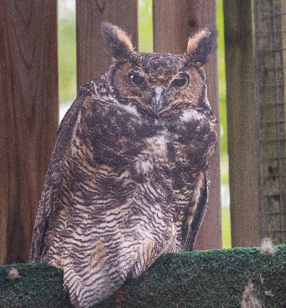
Recently, I had the opportunity to visit The Owl Foundation, an organization dedicated to the rehabilitation and care of injured and orphaned owls and other birds of prey.
As a wildlife photographer, I'm always excited for an opportunity to see and photograph wildlife, but this visit was about much more than simply getting photographs. It gave me a chance to learn more about the work that goes into caring for injured wildlife and, whenever possible, preparing these birds to return to the wild.
Important note: The Owl Foundation is not open to the public. My visit was arranged in advance. Please do not arrive at the facility expecting public access.
Meeting the Birds
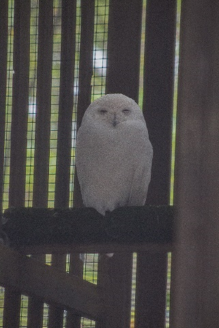
During my visit, I was able to see several incredible owls, including a Great Horned Owl, Great Grey Owl and Snowy Owl.
Photographing the owls presented a different challenge than photographing wildlife in the field. In some cases, I was photographing through fencing, so getting a completely unobstructed photograph wasn't always possible.
But that wasn't really the point of the visit.
These photographs aren't just about creating a perfect wildlife image. They're also a way of documenting my experience and sharing some of the incredible birds that call The Owl Foundation home.

Rehabilitation Comes First
One thing that was important during my visit was respecting the rehabilitation process.
There were many birds that I wasn’t able to see because they were currently undergoing rehabilitation and couldn't be disturbed. And that's exactly how it should be.
When an animal is being rehabilitated, its well-being must come before someone's opportunity to see it or photograph it. That's something I strongly believe in with my own wildlife photography as well: wildlife first, photograph second.
The ultimate goal of wildlife rehabilitation, whenever possible, is to give an animal another opportunity to return to the wild. That makes minimizing unnecessary human interaction especially important.
Leaving With More Than Photographs
I went to The Owl Foundation excited about seeing and photographing owls, but I left with an even greater appreciation for the work that happens behind the scenes in wildlife rehabilitation.
A lot of that work isn't something the public ever gets to see. It takes time, patience and dedication, and sometimes doing what's best for an animal means giving it space and leaving it completely alone.
For me, that's also one of the most important lessons in wildlife photography. Getting the photograph should never be more important than the animal itself.
I'm grateful to The Owl Foundation for allowing me the opportunity to visit, learn more about their work and photograph some of the incredible birds in their care.
And hopefully, this won't be the last time my camera and I cross paths with The Owl Foundation.
If you would also like to donate towards THE OWL FOUNDATION helping these birds rehabilitate, the link to their website is https://www.canadahelps.org/en/charities/the-owl-foundation/
Samuel Koppelaar
Wild Moments Photography


Comments